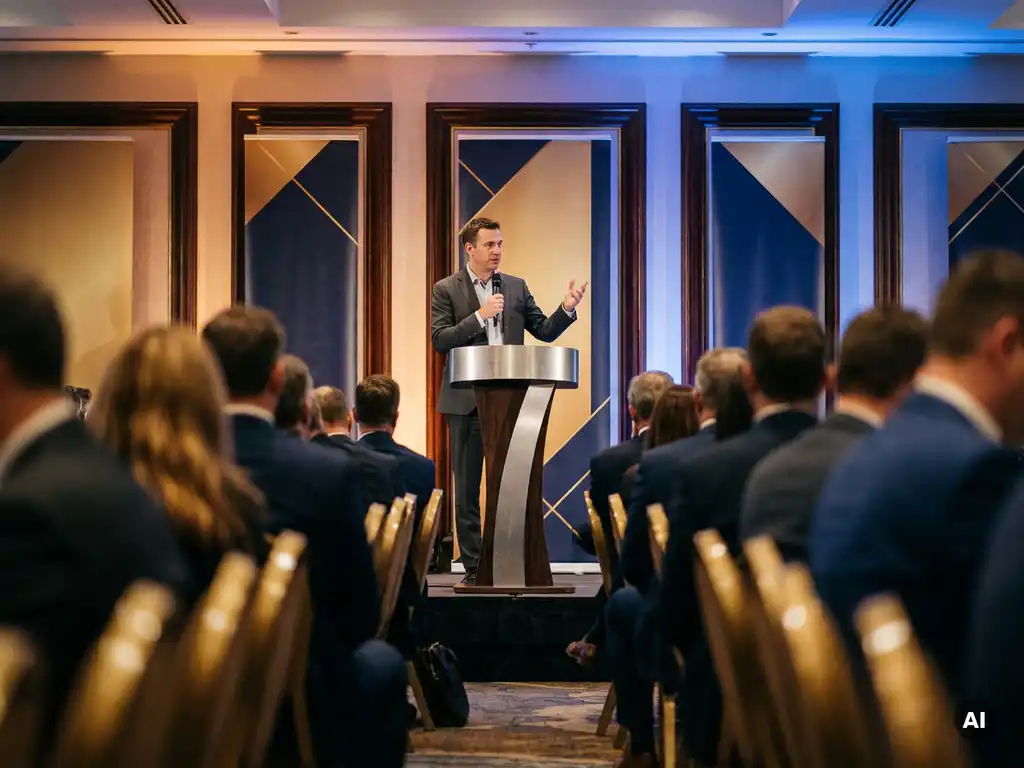
TOKEN2049 is one of the most closely watched events on the crypto calendar, drawing thousands of founders, investors, developers, and executives to compare notes on where the industry is heading. But beyond the keynotes and networking drinks, the conference functions as a live data feed for anyone trying to understand where blockchain talent is flowing and which organisations have the budget and ambition to grow. The speaker roster, the sponsor tiers, and the thematic tracks all carry signals that are worth decoding well before the job postings go live.
For recruiters and hiring leaders working in crypto industry jobs, TOKEN2049 offers something that no LinkedIn search can replicate: a real-time snapshot of which companies are investing in visibility, which leaders are being positioned as thought leaders, and which skill sets are being elevated to the main stage. Reading those signals correctly can give hiring teams a meaningful head start on the competition.
Which Sectors Dominate the TOKEN2049 Stage
The thematic breakdown of any major conference reveals where money and momentum are concentrated. At TOKEN2049, the heaviest representation consistently comes from decentralised finance, layer-1 and layer-2 infrastructure, real-world asset tokenisation, and increasingly, the intersection of artificial intelligence with blockchain. These are not coincidental choices. Conference organisers curate topics that reflect where sponsorship dollars and speaker submissions are clustering.
When a sector commands multiple headline slots, it signals that organisations within that space are competing for talent at scale. Infrastructure protocols, for example, need deep engineering teams to ship and maintain their networks. DeFi platforms require compliance specialists, quantitative analysts, and product managers who understand on-chain mechanics. Tracking which sectors fill the most stage time at TOKEN2049 is, in effect, tracking where the most aggressive Web3 recruiting activity is likely to follow.
The Roles and Skills Crypto Companies Are Racing to Fill
Speaker topics are a direct window into skills gaps. When multiple TOKEN2049 sessions address regulatory strategy, it tells you that legal and compliance professionals with crypto-specific knowledge are in short supply. When AI integration dominates an afternoon track, engineering teams fluent in both machine learning and smart contract development are suddenly the most sought-after profiles in the market.
Beyond the technical roles, the TOKEN2049 agenda regularly surfaces demand for business-facing talent: partnership managers who can navigate both Web3 protocols and traditional finance, growth marketers who understand on-chain analytics, and product leaders who can translate complex blockchain mechanics into consumer-grade experiences. These roles are harder to fill than pure engineering positions because the candidate pool is smaller and the required blend of domain knowledge is rare. Identifying these themes early allows hiring teams to begin pipeline building before the formal job descriptions even exist.
How Sponsor Tiers Reveal Hiring Budget and Team Growth
Sponsorship investment is one of the most transparent signals a company can send about its financial health and growth ambitions. The cost of a headline or platinum sponsorship at a conference of TOKEN2049’s scale runs into six figures. Organisations that commit to that level of spend are, almost by definition, in an expansionary phase. They are building brand recognition because they need to attract talent, customers, and partners simultaneously.
Mid-tier sponsors are equally informative. Many of the fastest-growing blockchain staffing opportunities emerge from Series A and Series B companies that take a prominent but not headline position. They have secured funding, validated their model, and are now in the execution phase where hiring velocity matters most. Cross-referencing the TOKEN2049 sponsor list against recent funding announcements creates a shortlist of organisations that are structurally ready to hire but may not yet have the employer brand to attract candidates organically.
What the Speaker Roster Signals About Leadership Hiring
Conferences like TOKEN2049 do not invite speakers at random. Founders and executives appear on stage because their organisations have reached a scale or achieved a milestone that makes their perspective credible to the audience. When a company sends its Chief Technology Officer or Head of Protocol to speak, it is often because that role has been filled by someone strong enough to represent the brand externally, which in turn suggests the organisation is now building out the layer below: senior engineers, technical leads, and department heads.
Equally revealing are the speakers who are new to the TOKEN2049 roster. Emerging voices often represent companies that have recently grown to a size where external visibility has become a strategic priority. These organisations frequently have open leadership roles and are actively trying to elevate their employer brand. Monitoring year-over-year changes in the speaker list, noting who has moved from a panel slot to a keynote, and tracking which companies are newly represented all provide actionable intelligence for blockchain talent acquisition teams.
Turning Conference Signals Into a Recruiting Strategy
The intelligence gathered from TOKEN2049 is only valuable if it translates into action. The most effective approach is to treat the conference as a research exercise before, during, and after the event. Before TOKEN2049, map the agenda against open roles and identify which organisations are likely to be in hiring mode based on their sponsorship tier and speaker presence. During the event, track the conversations happening on social channels and in side sessions, where the most candid commentary about team growth and product direction tends to surface.
After the conference, the follow-up window is critical. Companies that have just invested heavily in a public appearance are primed for outreach. Their leadership teams have been in pitch mode, their brand is fresh in the market, and their hiring plans are often crystallising in real time. Connecting with the right candidates and the right organisations in the weeks immediately following TOKEN2049 consistently produces better outcomes than waiting for job postings to appear on standard platforms. For anyone serious about Web3 talent acquisition, the conference circuit is not a networking exercise. It is a structured intelligence-gathering operation.
How Radley James Helps With Crypto and Blockchain Hiring
Radley James is a specialist recruitment partner for the crypto and blockchain sector, working with scaling organisations that need to move quickly on niche, high-impact hires. Rather than relying on reactive job postings, Radley James uses conference intelligence, market mapping, and an established network of blockchain professionals to connect companies with candidates who are rarely visible on the open market.
- Sector-specific expertise: Deep knowledge of DeFi, layer-1 and layer-2 infrastructure, tokenisation, and Web3 product roles means faster shortlists and better candidate fit.
- Proactive talent mapping: Radley James identifies and engages high-value candidates before roles are formally opened, reducing time-to-hire significantly.
- Leadership and senior hiring: From CTOs to Head of Protocol, the focus is on placing professionals who shape the direction of a business, not just fill a seat.
- Conference-driven sourcing: Events like TOKEN2049 are actively monitored to surface hiring signals and connect growing organisations with the right talent at the right moment.
If the TOKEN2049 landscape has highlighted a skills gap or an opportunity to strengthen a team, now is the time to act on it. Get in touch with Radley James to discuss how specialist blockchain staffing can accelerate growth plans.